
Credit cards with health benefits are gaining popularity among consumers who want to optimize their medical expenses in the U.S. These financial tools offer not only convenience in managing healthcare spending but also come with numerous advantages, such as discounts at pharmacies, telemedicine services, and exclusive rewards. By selecting the right card, you can improve both your financial and physical well-being.
Why choose a credit card with health benefits?
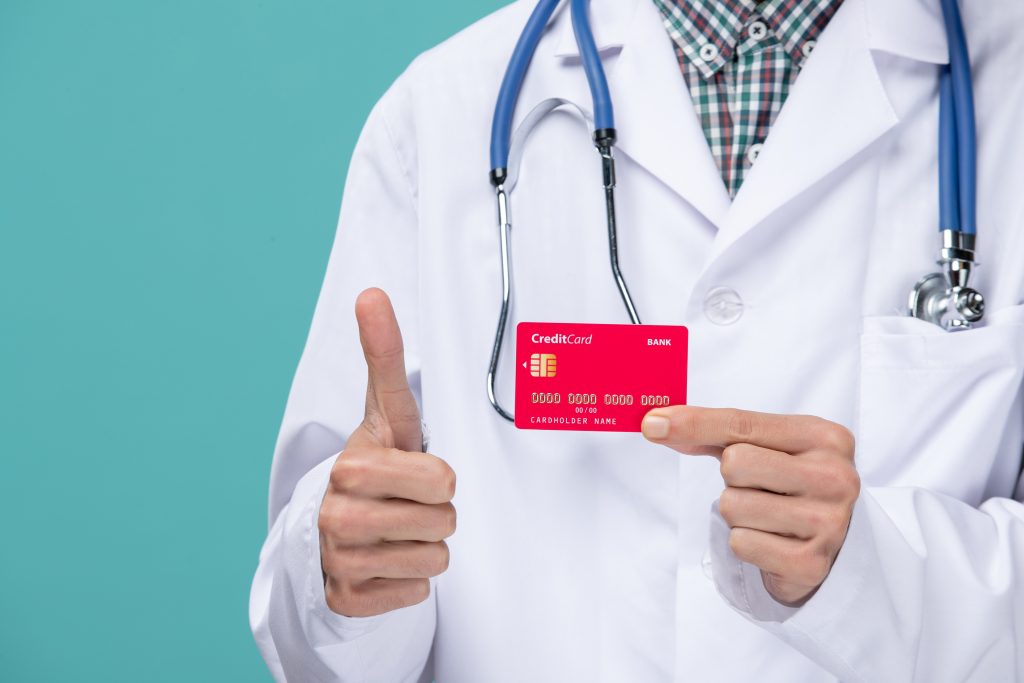
Healthcare expenses are a significant burden for many Americans. As medical costs rise, finding ways to save becomes essential. This is where credit cards with health benefits stand out. These cards provide more than just reward points; they offer cashback percentages on health-related purchases and even reduced interest rates on medical services. By using these cards efficiently, you can ease the financial strain of medical costs.
How health benefits work on credit cards
Before choosing a credit card, it’s important to understand how health benefits work. Issuers design cards specifically for healthcare expenses, providing users with incentives and discounts. These benefits may include lower interest rates on health financing or rewards at pharmacies. These cards encourage responsible spending and help manage unexpected healthcare costs without exceeding your monthly budget.
It’s essential to understand the terms and conditions of each card. Pay attention to how cashback rewards are calculated, which services qualify, and how bonuses are redeemed. Some cards offer attractive sign-up bonuses that can be used for future healthcare expenses. Knowing the details allows you to maximize each benefit and avoid surprises.
Choosing the right card for your healthcare needs
Selecting the right card is crucial to enjoying health benefits. Consider factors such as interest rates, annual fees, and covered expenses. A careful analysis of available market offers ensures the card meets your specific needs. Many issuers partner with healthcare providers to offer exclusive discounts on medications, treatments, and procedures.
If you frequently need prescription medication, a card that offers cashback at pharmacies may be beneficial. For those who spend more on doctor visits, a card that covers medical consultations could be ideal. Additionally, look for sign-up bonuses, such as cashback on initial purchases or health credits.
Maximizing ongoing rewards
Once you’ve chosen the right card, the next step is to maximize ongoing rewards. For many, this means using the card for all healthcare expenses whenever possible. This habit not only earns rewards but also makes it easier to track medical spending in one place. Many cards offer tiered cashback schemes, where higher spending leads to greater rewards.
Seasonal promotions or bonuses can double or triple rewards for specific categories, such as pharmaceuticals or medical consultations. Staying informed about these promotions will allow you to optimize your healthcare spending even further. Additionally, subscribing to newsletters and notifications from the card issuer can provide tips on temporary promotions or new benefits. This helps you stay ahead in maximizing your health rewards and saving on healthcare costs.
Strategic use of credit cards to manage healthcare expenses
Strategically using a credit card to manage medical expenses begins with planning. Start by documenting medical consultations, medications, and other healthcare-related costs. Use your credit card to track these expenses, aiming for rewards and benefits you can unlock in the future. It’s important to avoid carrying high balances on your credit card. High balances can lead to interest charges that diminish your rewards. Plan to pay off your card in full each month to avoid unnecessary penalties and high-interest rates.
Budgeting for healthcare expenses
Creating a healthcare budget ensures you’re using your credit card effectively. Set limits for how much you can spend on healthcare each month to avoid overspending and keep control over your finances. Categorize expenses like medications, doctor visits, and insurance to better understand where your money goes.
A well-managed budget also prepares you for unexpected healthcare costs. An emergency fund for medical expenses can be a lifesaver, ensuring you don’t rely solely on your credit card in times of financial strain. This allows you to take advantage of your card’s rewards as a supplement, rather than depending entirely on them.
Staying informed about changes to your credit card
Keep track of any changes to your card’s terms and conditions to maximize your benefits. Credit card strategies and offers evolve, whether through new healthcare provider partnerships or changes in cashback rates. Staying updated ensures that you continue to make the most of your card.
This also includes being aware of any legislative updates that might affect your card’s benefits. For example, changes in healthcare policies or credit card regulations could impact the rewards you receive. Staying proactive and informed ensures you’re always getting the best deals and maximizing your healthcare savings.
